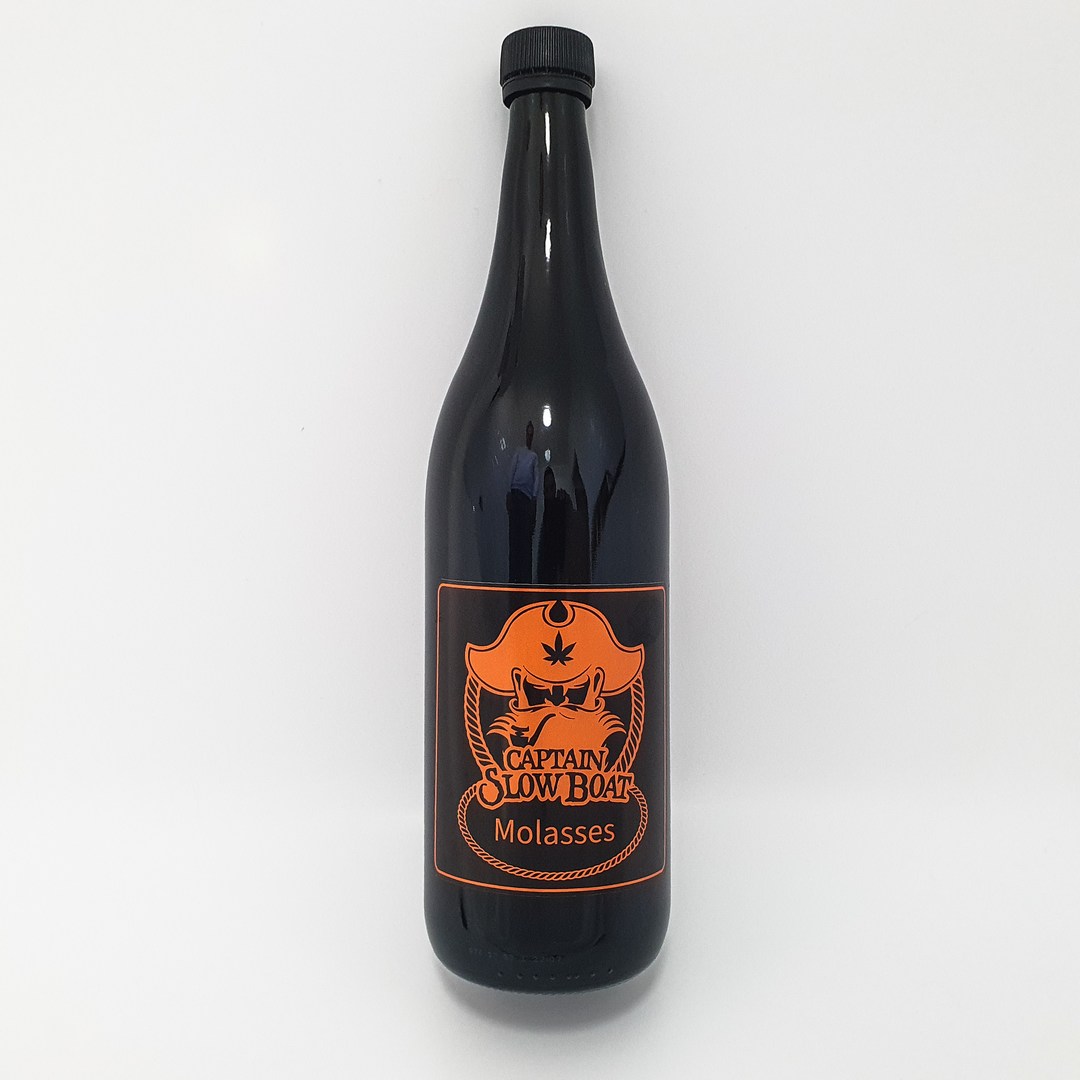

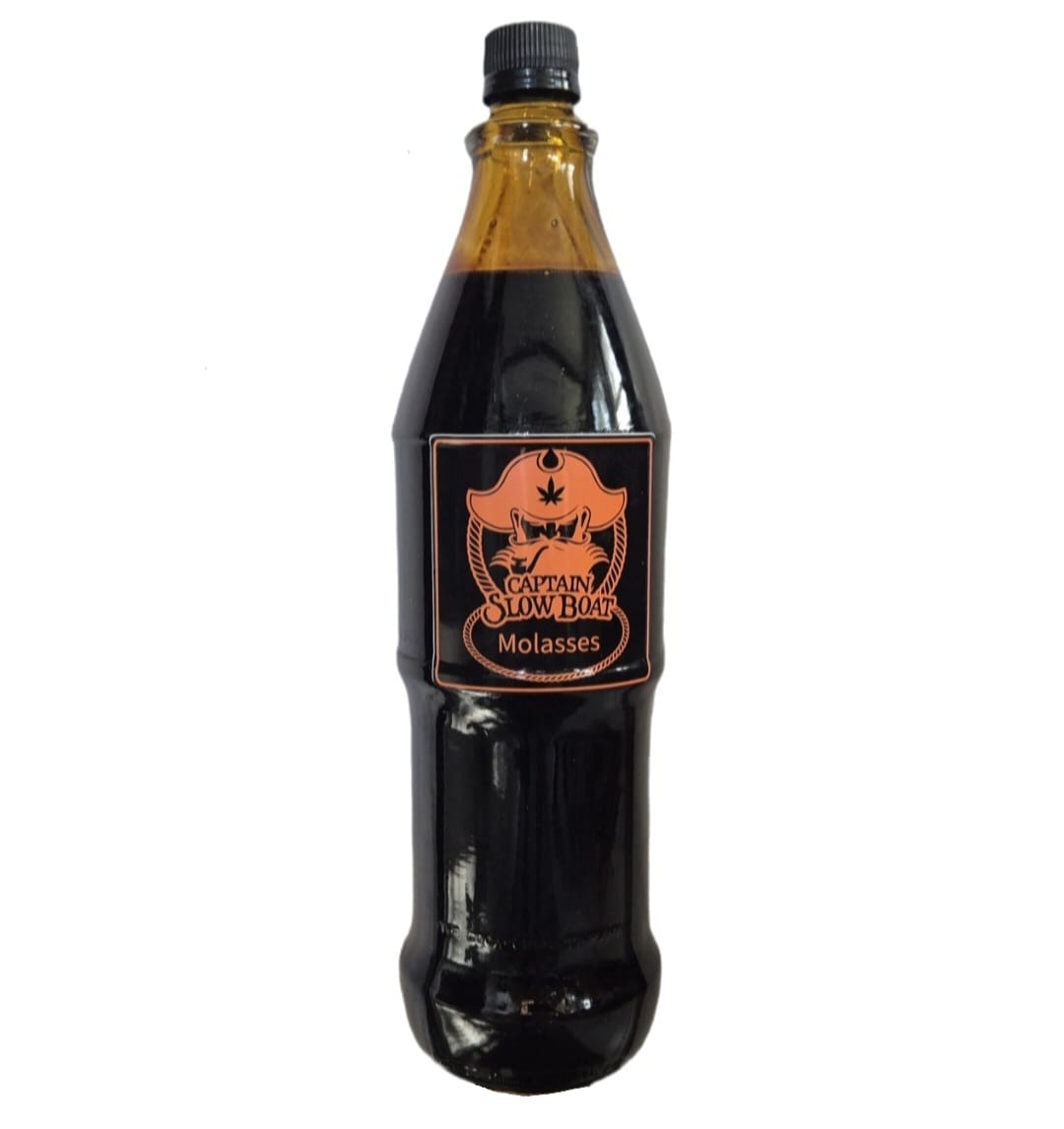
Captain Slow Boat Unsulphured Blackstrap Molasses
R145.00 – R1 250.00
Feed the living soil that feeds your plants. Captain Slow Boat Unsulphured Blackstrap Molasses (no anti-microbial sulphur dioxide) is packed with minerals and lots of carbohydrates — an excellent food source for the beneficial microbes in soils, substrates and compost teas.
- Feeds the microbes: sugars fuel beneficial soil microorganisms, and it works as a natural insecticide against common pests
- Healthier soil: improves soil structure and water retention and enriches it with minerals and vitamins
- Cleaner root zone: helps prevent pathogen build-up and minimises salt build-up that causes nutrient problems
- Mineral-rich: contains selenium, potassium, good sulphur, iron, vitamin B6, zinc, amino acids, fatty acids, sodium and calcium
Unsulphured blackstrap molasses. Start low at 4–5ml per litre of water, increasing as plants begin fruiting/flowering. Over-feeding risk is low, but watch for stress or nutrient burn and check runoff pH frequently when adding to an existing feed.
Description
Captain Slow Boat Unsulphured (No anti-microbial Sulphur dioxide) Blackstrap Molasses contains, amongst other ingredients, minerals for your plants …
Selenium, Potassium, (good) Sulphur,
Iron, Vitamin B6, Zinc, Amino Acids,
Fatty Acids, Sodium, Calcium
… as well as lots of Carbohydrates (Sugars), which provides an excellent food source for the beneficial microbes in soils, substrates, or compost teas.
Benefits of using Molasses:
- Feeds the beneficial microorganisms in the soil
- Improves structure and water retention of the soil
- Enriches the soil with various essential minerals and vitamins
- Helps to prevent the build-up of pathogens that could harm your plants
- Helps minimize the risk for salt build-up in the soil, which could cause nutrient problems
- Acts as a natural insecticide against common cannabis pests
Directions for use:
When feeding molasses, it is recommended to start with lower dosages first.
E.g. 4–5ml of molasses per liter of water.
You can increase this dosage rate when your plants start fruiting or flowering.
The risk for overfeeding with molasses is considerably lower than with mineral nutrients, but it is smart to observe your plants for any signs of stress or nutrient burn, in particular if you add molasses to an existing feeding regimen.
If you’re adding molasses to your existing feeding regimen, you should also keep an eye on your soil’s pH level, since any additional substance can affect it. Make sure you check your runoff pH frequently.
More on Molasses here.
Related products
-

EHG Micro
R160.00 – R3 000.00 Select options This product has multiple variants. The options may be chosen on the product page -
Terra Aquatica Dualpart Coco Bloom
R250.00 – R2 390.00 Select options This product has multiple variants. The options may be chosen on the product page -
Green House Powder Feeding – Grow
R190.00 – R670.00 Select options This product has multiple variants. The options may be chosen on the product page